Hidden Problems That Infrared Technology Exposes
Thermal Imaging Inspections in Schoolcraft for detecting concealed moisture, insulation defects, and electrical hazards
Moisture trapped inside walls, insulation gaps that waste energy, and overheating electrical connections all remain invisible during standard visual inspections. Thermal imaging technology detects temperature differences across surfaces, revealing these hidden conditions before they cause visible damage or safety hazards. Good Bones Home Inspection uses infrared cameras during inspections in Schoolcraft to identify issues that cannot be seen with the naked eye, providing a more complete understanding of a property's actual condition.
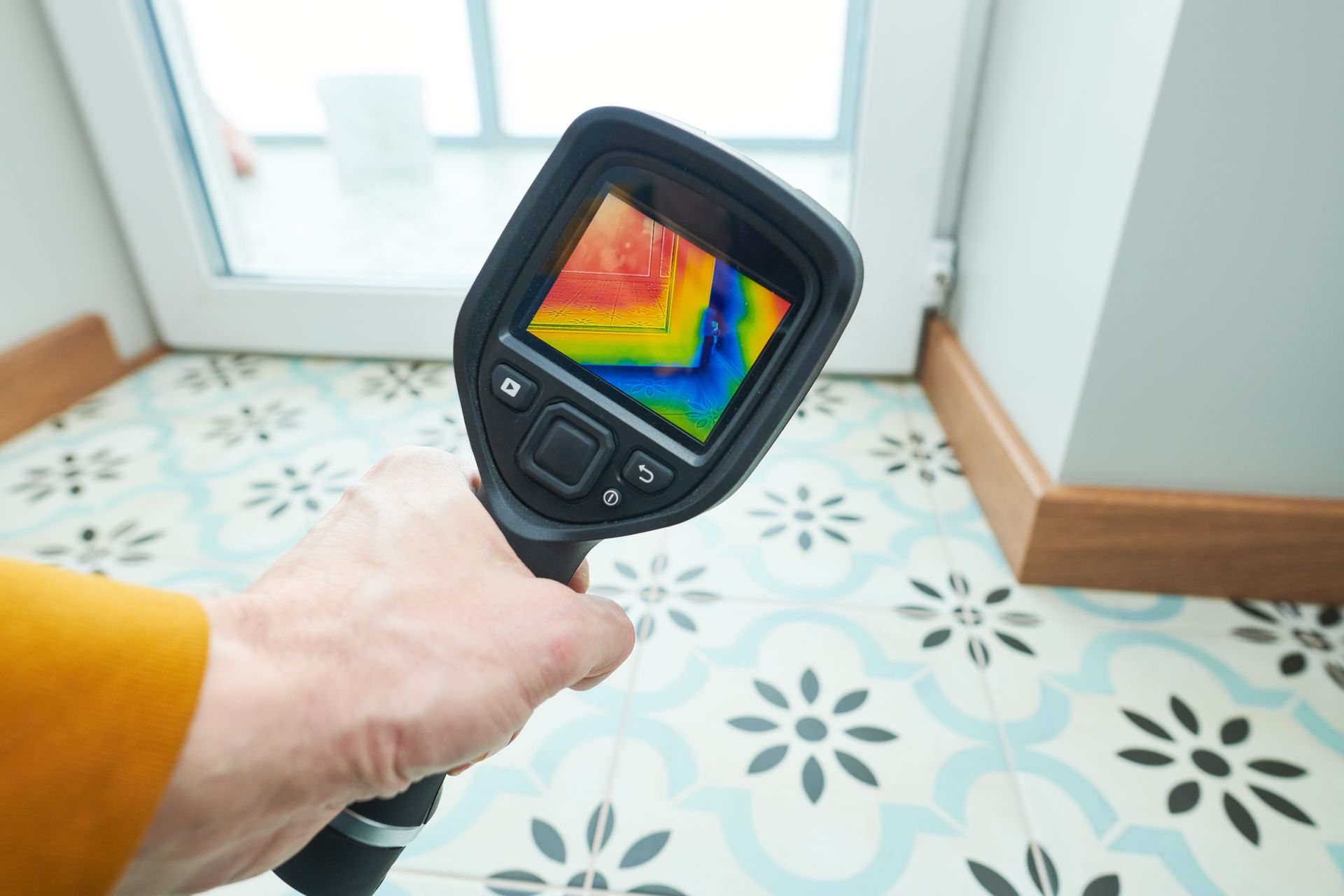
The infrared camera captures surface temperature variations that indicate moisture accumulation behind walls, missing or compressed insulation, and electrical components generating excessive heat. Water-damaged areas appear cooler on thermal images because moisture changes how building materials retain and release heat. Insulation voids show up as temperature differences between insulated and uninsulated sections. Electrical hot spots register as concentrated heat signatures that signal overloaded circuits or failing connections.
Arrange a thermal imaging inspection to uncover issues that would otherwise remain undetected until damage becomes extensive.
How Infrared Technology Changes What Inspections Reveal
During a thermal imaging inspection, the infrared camera scans walls, ceilings, floors, and mechanical systems while recording temperature patterns across each surface. The resulting images highlight areas where temperature deviates from expected norms, which directs further investigation to specific locations rather than relying on guesswork. This approach identifies moisture intrusion pathways, insulation installation errors, and electrical problems without invasive testing or demolition.
You receive thermal images alongside a standard inspection report, with annotations explaining what each temperature anomaly represents and why it matters. Homes with suspected leaks benefit from pinpointing exactly where water enters rather than cutting into walls at random. Properties with high heating costs gain insight into which insulation defects contribute most to energy loss. Older electrical systems are evaluated for components that may fail without warning.
Thermal imaging does not replace moisture meters or electrical testing, but it directs those tools to the right locations and reduces the time required to diagnose complex problems. The technology works best when temperature differences exist between indoor and outdoor environments, which makes late fall through early spring ideal for detecting insulation and air sealing issues in Michigan.
Common Questions About Thermal Imaging Inspections
Infrared inspections in Schoolcraft help property owners understand what thermal technology reveals and when it provides the most value.
What types of moisture problems does thermal imaging detect?
Thermal imaging identifies roof leaks that have not yet caused visible staining, plumbing leaks inside walls or under floors, condensation accumulation in exterior wall cavities, and areas where water infiltrates through foundation walls or window assemblies.
How does the technology reveal insulation problems?
Infrared cameras show temperature differences between properly insulated areas and sections where insulation is missing, compressed, or installed incorrectly, which allows inspectors to map the entire building envelope and identify specific zones where energy loss occurs.
What do electrical hot spots indicate?
Elevated temperatures at outlets, breaker panels, or along wiring paths suggest overloaded circuits, loose connections, corroded terminals, or undersized conductors that pose fire risks and require evaluation by a licensed electrician.
When is thermal imaging most effective?
The technology works best when a significant temperature difference exists between interior and exterior environments, typically during heating season in Schoolcraft when indoor and outdoor temperatures diverge by at least fifteen to twenty degrees.
Does thermal imaging replace other inspection methods?
Infrared technology supplements visual inspections and other diagnostic tools by directing attention to problem areas, but it does not eliminate the need for moisture meters, electrical testing, or hands-on evaluation of building components.
Good Bones Home Inspection incorporates thermal imaging to provide a more thorough assessment of properties in Schoolcraft, particularly when moisture intrusion, insulation performance, or electrical safety concerns exist. Schedule an inspection to access this diagnostic capability and gain a complete picture of your property's condition.