Detecting Invisible Gas Hazards
Radon Testing in Kalamazoo for properties where soil conditions create elevated indoor radon levels
Radon gas accumulates in Kalamazoo homes when uranium in surrounding soils decays and releases radioactive particles that seep through foundation cracks, sump openings, and utility penetrations into living spaces. Good Bones Home Inspection conducts radon testing that measures indoor concentration levels over a continuous monitoring period, which identifies whether your property exceeds the EPA action threshold of 4.0 picocuries per liter. Testing occurs during real estate transactions when lenders or buyers require documentation, or when current homeowners want to verify safety after learning about regional radon prevalence.
The testing process uses calibrated continuous monitors placed in the lowest occupied level of the home for a minimum of 48 hours under closed-building conditions, which prevents ventilation from artificially diluting radon concentrations during the measurement window. Results indicate whether mitigation is recommended and provide baseline data for post-mitigation verification if a radon reduction system gets installed.
Schedule radon testing alongside your home inspection to consolidate timelines and reduce the number of site visits required during your due diligence period.
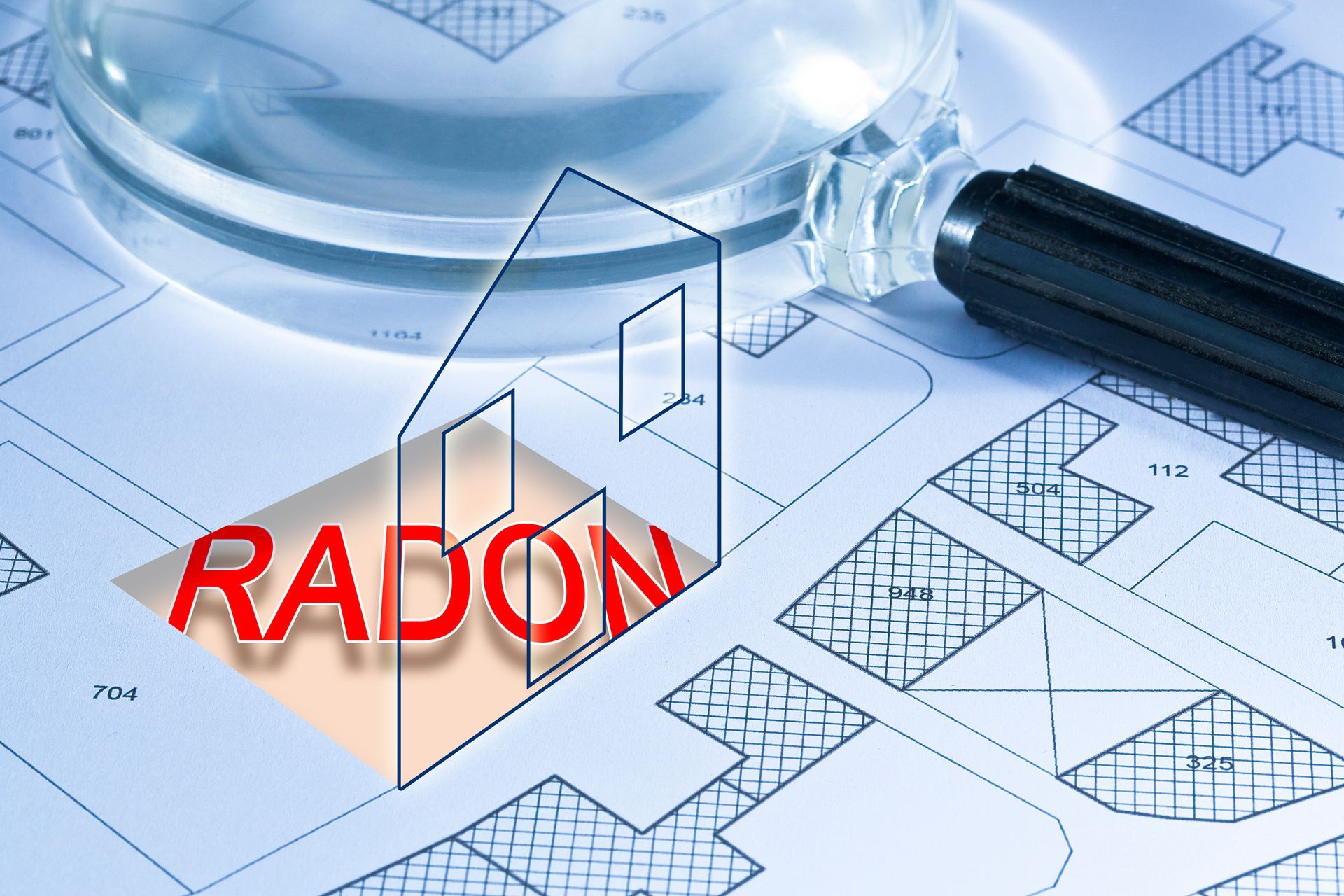
How Radon Levels Get Measured
Your radon test involves placing monitoring equipment in the lowest occupied area of the home—typically a basement or first floor if no basement exists—where radon concentrations are highest due to proximity to the soil. The device records hourly radon levels throughout the testing period and calculates an average concentration that gets compared against EPA guidelines. In Battle Creek and surrounding areas, soil geology varies enough that neighboring homes can show significantly different radon levels, which is why testing individual properties is necessary rather than assuming risk based on regional averages.
Once testing concludes, you receive a report with the measured radon concentration, an explanation of what the number means, and recommendations for next steps if levels exceed the action threshold. Properties with elevated radon typically require installation of a sub-slab depressurization system that vents gas from beneath the foundation to the exterior before it enters living spaces. The test results become part of your transaction documentation and inform whether you request radon mitigation as a condition of sale or negotiate a credit to cover system installation costs.
The testing service measures indoor radon concentration only and does not include water testing or mitigation system installation. If results indicate elevated levels, you'll need to engage a certified radon mitigation contractor to design and install a reduction system, which typically involves a vent pipe and fan that operates continuously to depressurize the soil beneath the foundation.
Answers to Frequent Service Questions
Homeowners and buyers in Kalamazoo often ask about radon prevalence, testing procedures, and what happens if levels come back high.
What radon level requires action?
The EPA recommends mitigation when indoor radon concentrations reach or exceed 4.0 picocuries per liter, though some health agencies suggest considering mitigation at lower levels since no radon exposure is completely risk-free.
How long does radon testing take?
Standard testing runs for 48 to 72 hours under closed-building conditions, meaning windows and exterior doors remain shut except for normal entry and exit to prevent outdoor air from diluting radon concentrations during measurement.
Why is radon common in Kalamazoo properties?
Michigan's glacial soils contain uranium deposits that decay into radon gas, and the region's foundation construction methods—poured concrete and block basements with sump pits and utility penetrations—create pathways for soil gas to enter homes from below.
Can radon levels change over time?
Yes, radon concentrations fluctuate based on soil moisture, barometric pressure, and ventilation patterns, which is why testing provides a snapshot of conditions during the measurement period rather than a permanent assessment.
What happens if the test shows high radon?
You can request that the seller install a mitigation system before closing, negotiate a credit to cover installation costs, or proceed with the purchase and arrange mitigation yourself, depending on your transaction terms and timeline constraints.
Good Bones Home Inspection delivers accurate radon testing results that help Kalamazoo property owners understand indoor air quality risks and make informed decisions about mitigation. Contact the team to add radon testing to your inspection or schedule standalone testing for your current home.