Foundation Inspections in Schoolcraft for homes showing cracks, settlement patterns, or structural movement
Structural Stability Starts Below Grade
Cracks that widen over time, doors that no longer close properly, and gaps between walls and ceilings often trace back to foundation movement. Good Bones Home Inspection examines foundation walls, slabs, and structural supports in Schoolcraft to identify defects that compromise stability and determine whether damage results from normal settling or ongoing structural problems. Foundation inspections evaluate cracks for width and orientation, check for signs of water intrusion, and assess whether the foundation continues to shift or has stabilized.
The inspection process involves measuring crack widths, documenting their location and direction, and checking for displacement where foundation sections no longer align. Moisture staining, efflorescence, and deteriorating concrete indicate water-related damage that weakens foundation integrity. Structural supports are examined for signs of overloading, rot, or deflection that affects how the home's weight transfers to the foundation. Michigan's freeze-thaw cycles and clay-rich soils contribute to foundation movement patterns that differ from those in other regions.
Request a foundation evaluation to determine whether observed damage requires immediate repairs or ongoing monitoring.
What Foundation Assessments Uncover
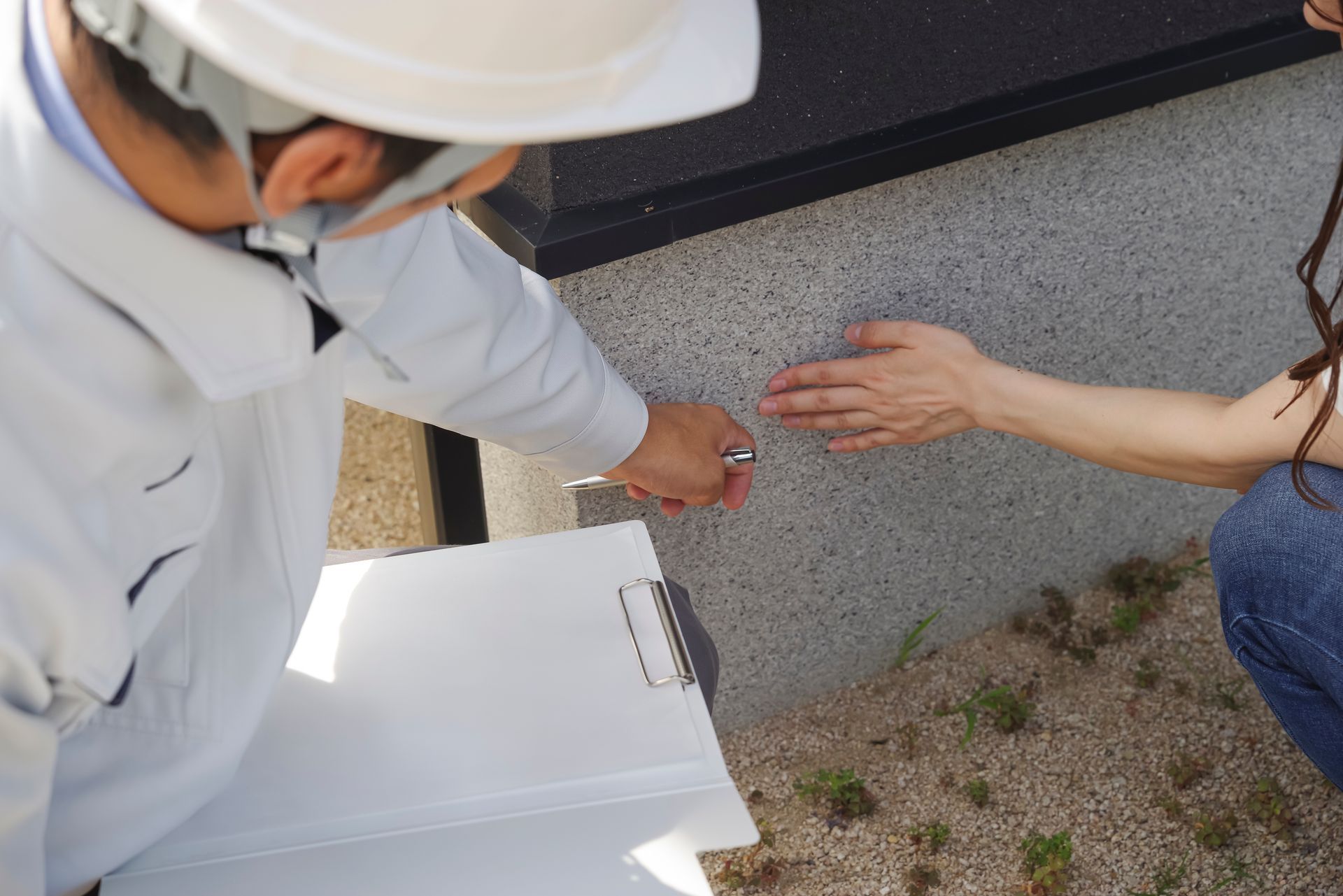
A foundation inspection documents the type and extent of defects present, including vertical cracks that suggest settling, horizontal cracks that indicate lateral pressure from soil, and stair-step cracks in masonry that follow mortar joints. The inspector measures crack widths at multiple points to determine whether they remain static or continue expanding. Floors are checked for slope and deflection using levels and laser tools, which reveals whether the foundation has settled unevenly beneath different sections of the home.
The inspection report describes each defect's location, dimensions, and likely cause, along with an assessment of severity and recommendations for further evaluation or repair. Property owners gain clarity about whether cracks represent cosmetic issues that need sealing or structural concerns that require engineering analysis and reinforcement. Homes with crawl spaces or basements receive additional scrutiny of support columns, beams, and floor framing that rely on foundation stability.
Foundation inspections do not include soil analysis or structural engineering calculations, but they identify when those services become necessary. Understanding the difference between minor settling and active foundation failure allows homeowners to prioritize repairs based on actual risk rather than reacting to every visible crack.
Answers to Frequent Foundation Inspection Questions
Foundation inspections help Schoolcraft homeowners distinguish between normal settling and structural problems that threaten long-term stability.
What types of foundation cracks indicate serious problems?
Horizontal cracks wider than a quarter inch, vertical cracks that exceed three-eighths inch in width, stair-step cracks in block or brick foundations, and any cracks that show displacement where one side has shifted relative to the other all warrant further structural evaluation.
How do inspectors determine if a foundation is still moving?
Inspectors look for fresh cracks with sharp edges, recent changes in door and window operation, new gaps between trim and walls, and differences between crack measurements taken at different times, all of which suggest ongoing movement rather than historical settling.
What causes foundations to fail in Schoolcraft?
Expansive clay soils that swell when wet and shrink during dry periods, inadequate drainage that allows water to saturate soil around the foundation, freeze-thaw cycles that exert pressure on foundation walls, and poor construction practices during initial installation all contribute to foundation movement and cracking.
When should a foundation inspection be conducted?
Inspections are appropriate when purchasing a property, after noticing new cracks or changes in how doors and windows operate, before undertaking major renovations that depend on structural integrity, or when preparing to list a home for sale and addressing buyer concerns proactively.
What information does a foundation inspection provide?
The inspection documents specific defects with measurements and photographs, assesses whether damage appears static or active, identifies contributing factors such as drainage problems or soil conditions, and recommends whether monitoring, repair, or structural engineering consultation is needed.
Good Bones Home Inspection provides foundation assessments that clarify the severity of observed damage and help Schoolcraft property owners make informed decisions about repairs and long-term maintenance. Schedule an inspection to document your foundation's current condition and understand what action is required.